



Modern Stress and Clothing Comfort: How Natural Materials Influence Well-being
We live in an era of speed, where every day feels like a race against time. Between screens, notifications, and overloaded schedules, we find less and less time for the essentials – including our comfort. But what if we told you that what you wear can have a real impact on how you feel?
Fashion isn't just about aesthetics. The materials of your clothes can subtly, but profoundly, influence your well-being, stress levels, and even your self-perception. That's why returning to natural materials – linen, organic cotton, wool, silk – is more than a sustainable choice. It's also an act of self-care.
Skin is the body's largest organ and constantly interacts with the surrounding world, including the clothes you wear. Research in sensory psychology shows that the texture, temperature, and weight of materials can subconsciously influence our perceptions and even emotions.
Natural textures create feelings of comfort and security
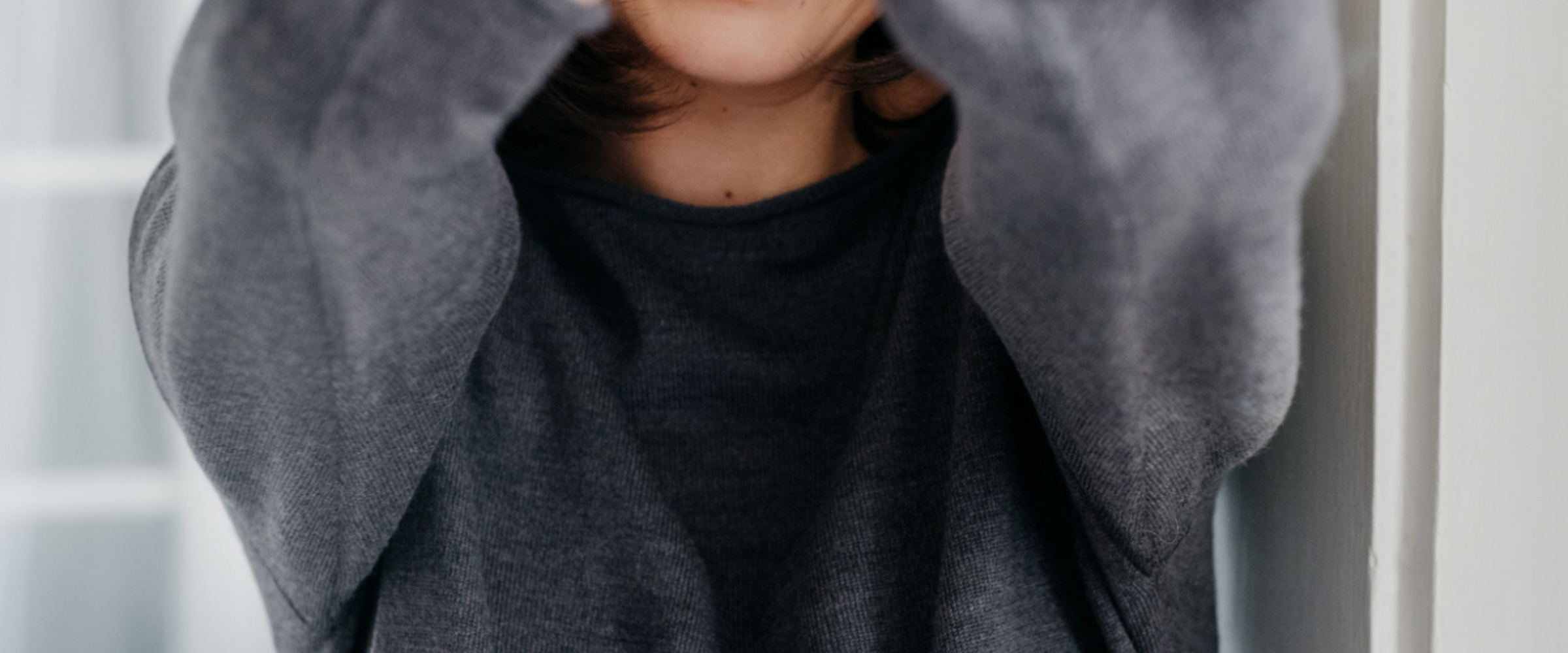
A soft merino wool sweater or an organic cotton shirt can give you a feeling of relaxation, just as a fluffy blanket offers comfort on a cold day. In contrast, synthetic materials can create a feeling of stiffness or thermal discomfort, increasing irritability.
Body temperature and inner calm. Natural fabrics regulate temperature better, allowing the skin to breathe. A material that allows you to feel comfortable without sweating or feeling cold will influence your overall well-being and even your ability to concentrate.
Heavy clothes can induce a feeling of calm. It's no coincidence that weighted blankets are recommended for reducing anxiety. Similarly, a thicker wool garment can create a sense of stability, of security, activating the same part of the brain responsible for emotional self-regulation.
Why choosing natural materials can reduce your stress
In a world where we are constantly exposed to artificial stimuli – bright lights, noises, digital pollution – returning to nature can be a therapeutic act. Clothes made from natural fibers are not only gentler on the skin but also on our nervous system.
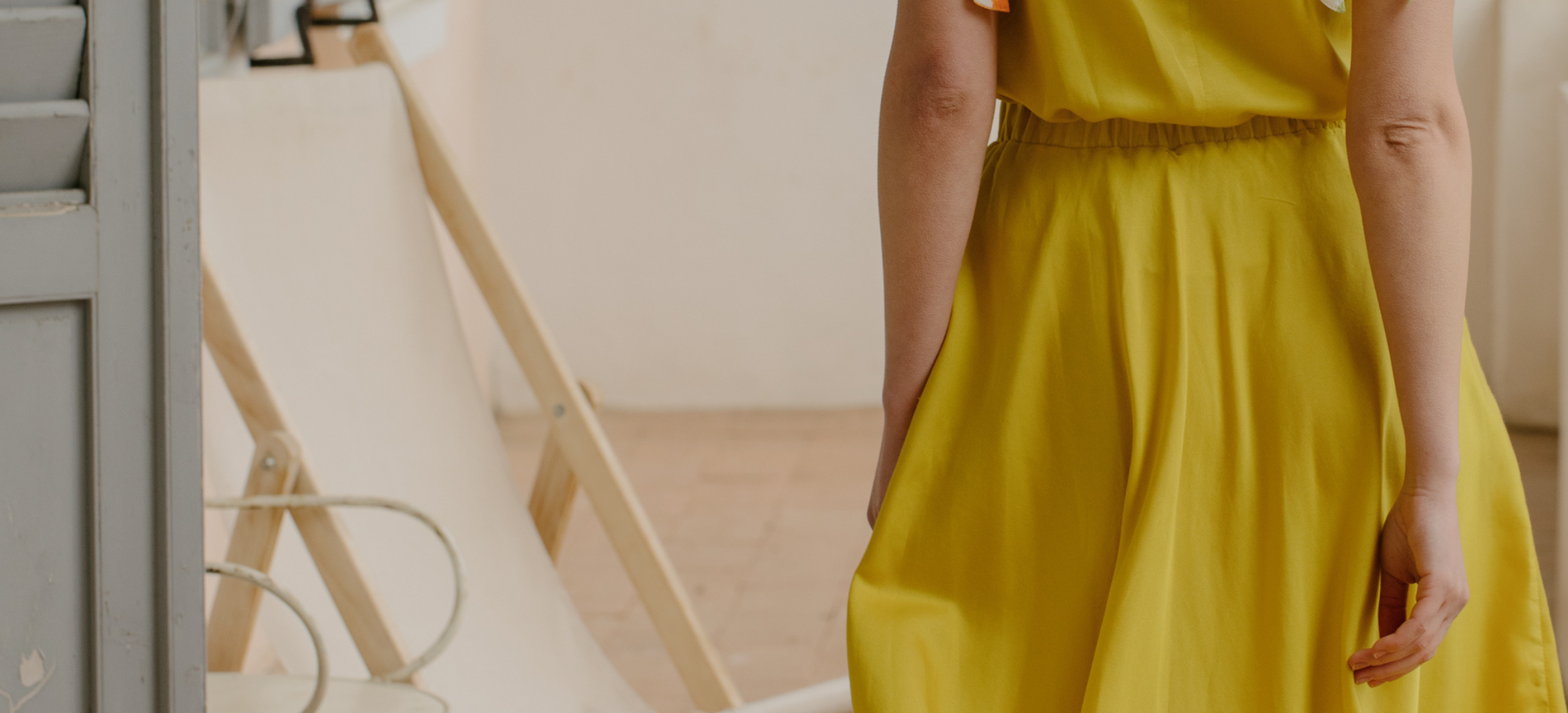
They reduce overheating and excessive sweating. A polyester blouse can become uncomfortable in a heated office, while one made of organic cotton or silk maintains a balanced temperature, preventing discomfort that can amplify stress.
They are more pleasant to the touch. The tactile sensation is directly linked to the limbic system, the emotional center of the brain. A rough or synthetic fabric can trigger a subtle but persistent discomfort reaction. In contrast, touching a soft, natural material can have a calming effect similar to stroking a velvety surface.
They give you a sense of authenticity. Natural materials offer an authentic sensory experience, free from artificiality. By wearing clothes that "feel good," the brain receives a subtle signal that you are in a friendly environment, which can reduce the feeling of alertness or agitation.
How to build a wardrobe that brings you peace
If you want to transform your wardrobe into an oasis of comfort and balance, start with a few simple principles:
Prioritize natural materials. Choose clothes made of merino wool, organic cotton, linen, or silk. Your skin will thank you.
Choose comfortable cuts. Clothes should not be rigid or restrict your movements. Well-tailored linen trousers or a loose wool sweater can become true "safety pieces" in stressful moments.
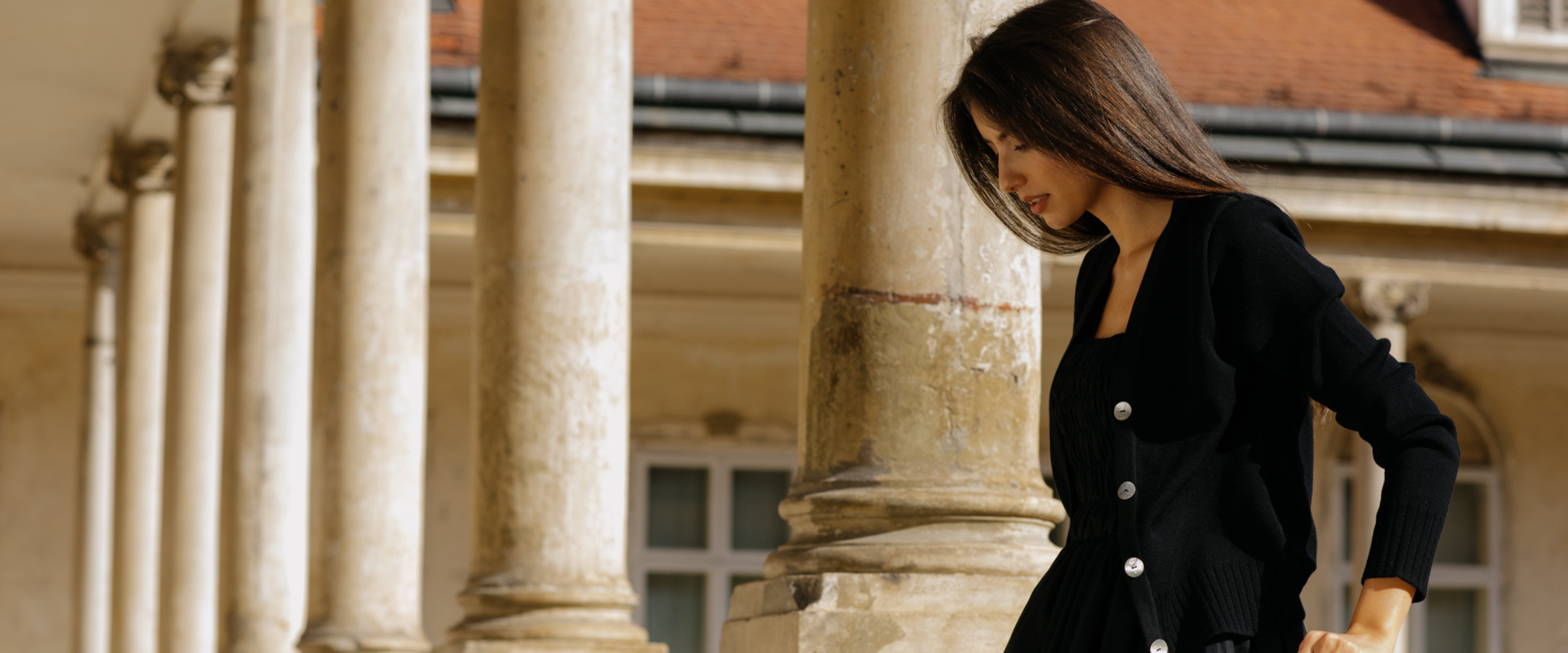
Invest in versatile and pleasant-to-wear pieces. A silk scarf or a soft cardigan can become elements of comfort not only physically but also emotionally.
Pay attention to how you feel when you wear a garment. Try to observe which textures, colors, and cuts make you feel relaxed and balanced.
So, choosing the right clothes is not a whim, but a form of personal care. Next time you feel like you're having a chaotic day, try wrapping yourself in a soft wool sweater or wearing an organic cotton or linen blouse. You might discover that your clothes can be not only a shield against the cold but also against stress.









Leave a comment
This site is protected by hCaptcha and the hCaptcha Privacy Policy and Terms of Service apply.