



The meaning of colors and their psychological effects
We recently asked on our social media pages what our customers prefer: neutral shades or colors. The responses were divided and, in turn, led to other questions for which we tried to find answers and explanations. Why do we choose certain colors? Or why do we prefer neutral tones? Why do we often feel the need to wear intense colors, such as red or emerald green? Do colors influence our mood or vice versa?
In our daily lives, colors play an essential role, influencing our emotions and behavior, even if this happens at such a subtle level that we don't even realize it. Over time, numerous studies in the field of color psychology have shown that the shades we wear or that surround us can have significant effects on our mood and how others perceive us. Although the impact of colors can be influenced by cultural factors and personal associations, it seems that there are certain universal effects that each shade has on us.
Red – Energy, passion, power
Red is an intense color that immediately attracts attention and stimulates strong emotions. Numerous studies show that red can increase heart rate and energy levels. That's why it is frequently used in advertising campaigns and fashion design to convey power and confidence.
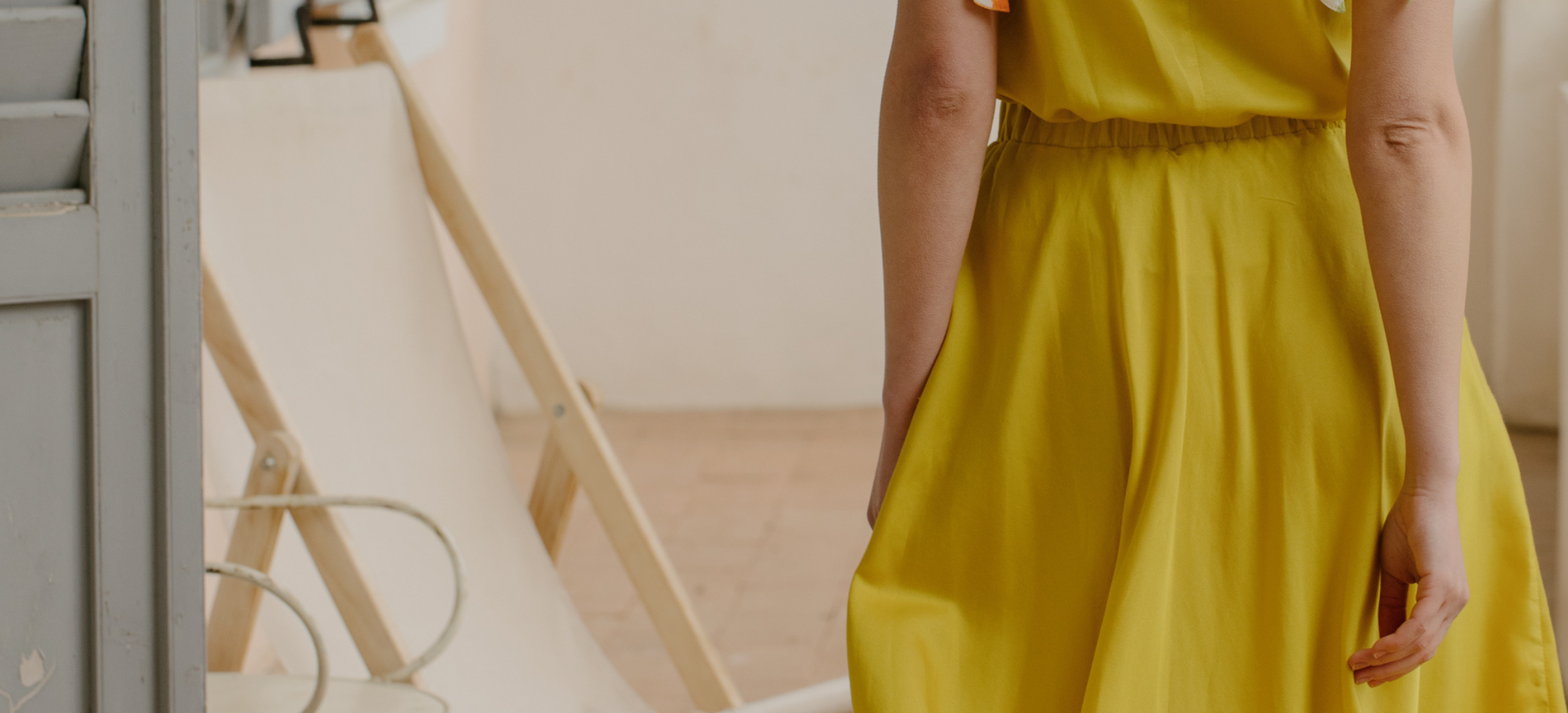
Yellow – Happiness, optimism, creativity
Yellow is associated with sunlight and, implicitly, with joy and positive energy. It can stimulate creativity and is often used to attract attention. However, too intense a yellow can become tiring for the eyes.
Blue – Calm and confidence
Blue is one of the most popular colors, due to its calming and balanced effect. It is often used in professional environments, as it conveys confidence and stability. Research shows that blue can reduce stress and improve concentration.
Green – Nature, balance, health
Green is the color of nature and is associated with freshness, tranquility, and regeneration. Studies show that exposure to green can reduce anxiety and improve mental clarity.
Pink – Delicacy and sensitivity
Pink is often associated with delicacy, femininity, sensitivity, and emotional warmth. From a psychological point of view, pink has a calming effect and can reduce stress. Some studies even show that exposure to pink reduces aggression.
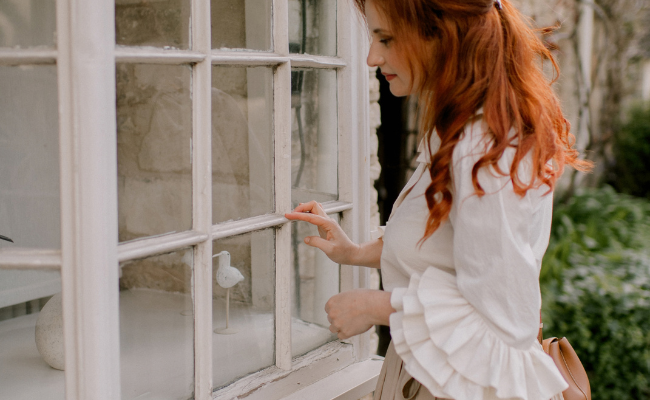
On the other hand, neutral shades do not have as many associated meanings and stories, but their choice is based on certain personality traits or clear intentions at certain moments or periods of our lives. And neutral shades can say a lot about our personality, aesthetic preferences, and even the emotions we experience.
First of all, neutral shades are calming, and this aspect is supported by the psychology of colors. Beige, light gray, and warm brown tones have a relaxing effect, similar to the natural colors we encounter in landscapes – sand, stone, wood.
In a world where we are exposed daily to a constant flow of information and strong visual stimuli, choosing neutral colors in clothing can be an unconscious way to create balance and simplify our lives.
Then, we cannot neglect the fact that these shades are very versatile, "They go with anything." When we choose clothes, one of the most frequent thoughts is: "What can I combine this piece with?" Neutral tones solve this dilemma, because they can be easily matched with each other or with other bolder colors and, as a result, when we feel the need to simplify things, we are tempted to choose these shades.
At the same time, neutral colors do not go out of style and can be worn in any season, which makes them a smart choice for those who want to buy less. People who choose neutral tones are often attracted to a minimalist or sustainable lifestyle.
Last but not least, because neutral tones, unlike vibrant colors that attract attention, inspire stability and confidence, they can be a convenient choice when we want to have a discreet presence, or perhaps, we simply don't need or want too much attention.










Leave a comment
This site is protected by hCaptcha and the hCaptcha Privacy Policy and Terms of Service apply.